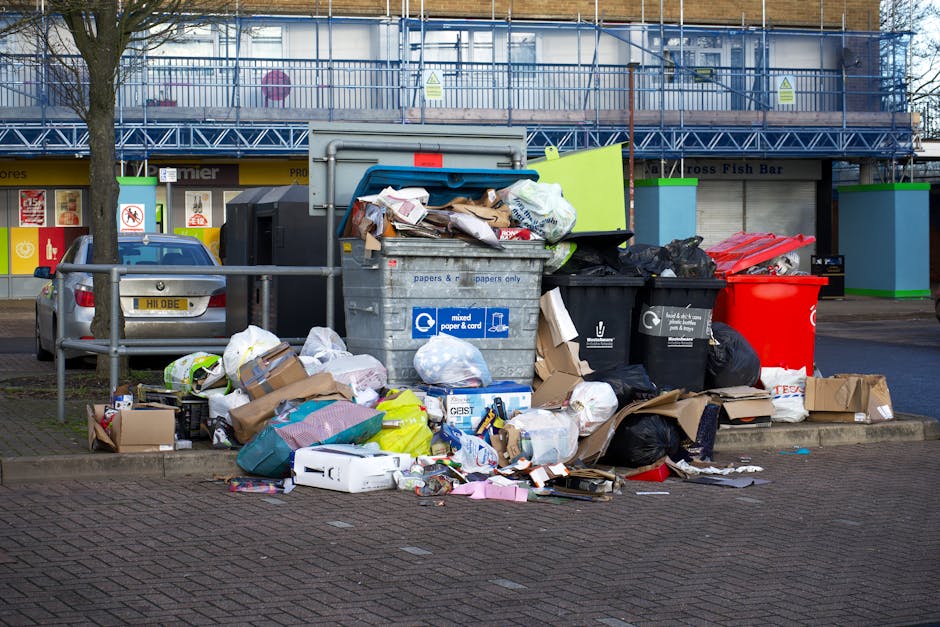
Hounslow Council bulky waste rules for Gunnersbury homes: a clear, practical guide
If you live in Gunnersbury and you are staring at an old sofa, a broken wardrobe, or a fridge that has finally given up, the question tends to arrive at the same moment: what are the actual Hounslow Council bulky waste rules for Gunnersbury homes, and how do you stay on the right side of them without turning your hallway into a storage unit? Truth be told, most people only need a straightforward answer, not a lecture.
This guide breaks the process down in plain English. You will get a practical view of what bulky waste usually means, how council-led disposal typically works, what to watch for in shared houses or flats, and where private clearance can make life easier. We will also cover common mistakes, compliance points, and a simple checklist so you can deal with the job without guesswork.
Table of Contents
- Why Hounslow Council bulky waste rules for Gunnersbury homes matters
- How bulky waste disposal works
- Key benefits and practical advantages
- Who this is for and when it makes sense
- Step-by-step guidance
- Expert tips for better results
- Common mistakes to avoid
- Tools, resources and recommendations
- Law, compliance, standards, or best practice
- Options and comparison table
- Case study or real-world example
- Practical checklist
- Conclusion
- Frequently asked questions
Why Hounslow Council bulky waste rules for Gunnersbury homes matters
Bulky waste sounds simple until you have to move it. Then it gets physical quickly: a heavy mattress, a chipped chest of drawers, a soaking-wet carpet roll from a damp cellar, or a freezer that is awkward in every possible way. For Gunnersbury homes, understanding the rules matters because bulky items are not treated like ordinary weekly rubbish, and leaving them out incorrectly can create problems for you, your neighbours, and the street outside.
In practical terms, the rules help with three things. First, they reduce the risk of missed collections or rejected items. Second, they lower the chance of fly-tipping, which is a real nuisance in residential streets and mews roads. Third, they help residents decide whether a council collection, a reuse route, or a private clearance is the better fit. That last part matters more than people think. Not every item is worth waiting around for.
If you live in a flat, converted house, or shared property, the situation can be even more awkward. A bulky item left in a communal hallway is not just messy; it can block access and become a fire-safety issue. And nobody wants the building manager knocking on the door first thing Monday morning. So yes, the rules are boring. Also yes, they save headaches.
How bulky waste disposal works
Although specific collection details can change, the general pattern is familiar across London councils. You identify the item, check whether it qualifies as bulky waste, confirm any preparation requirements, and arrange a collection through the council's process or through an alternative service if the council option is not convenient enough.
Bulky waste usually means large household items that cannot fit into standard bins or regular weekly collections. Typical examples include sofas, mattresses, wardrobes, tables, chairs, bed frames, and some large appliances. Items that are heavily contaminated, hazardous, or made up of mixed materials can need extra care. For instance, a fridge is not just "big rubbish"; it often needs a specific handling route because of refrigerants and electrical components. If you are dealing with that sort of item, a dedicated fridge and appliance removal service can be a more sensible route than treating it as general waste.
From a resident's point of view, the key thing is to separate three questions:
- Is it bulky household waste?
- Does it contain hazardous or electrical parts?
- Can it be reused, donated, repaired, or dismantled first?
That last question is worth asking, even when you are in a rush. A table with one wobbly leg may not need disposal at all. Sometimes a simple repair or reuse route is quicker than waiting for collection windows.
Hounslow Council bulky waste rules for Gunnersbury homes also need to be read alongside property type. A top-floor flat in a narrow street is a very different disposal job from a ground-floor house with a front drive. One involves stairs, timing, and access. The other is mostly a matter of getting the item outside safely and neatly.
Key benefits and practical advantages
Using the right bulky waste route gives you more than just a clear floor. It can also reduce hassle, protect the building, and stop you from making an avoidable mistake with disposal. Let's face it, when the spare room becomes the graveyard of an old sofa and two broken shelving units, the mental clutter is nearly as annoying as the physical one.
Here are the main advantages:
- Cleaner access routes: no items left balancing in a hallway or outside the front door.
- Lower risk of non-collection: items prepared correctly are less likely to be rejected.
- Better compliance: you reduce the risk of mishandling restricted items.
- Less lifting stress: especially useful for families, older residents, or landlords.
- More flexibility: private clearance can work around awkward access, busy schedules, or larger clear-outs.
There is also a subtle benefit that people tend to overlook: better recycling outcomes. When items are sorted properly, dismantled where appropriate, and sent to a responsible operator, more material can often be recovered. If sustainability matters to you, it is worth looking at the company's recycling and sustainability approach before booking anything.
For bulky furniture in particular, many residents find it useful to compare general waste clearance with dedicated furniture disposal. A specialist route can be far easier for sofas, wardrobes, and large dining sets, especially if you need safe removal from a flat or basement property.
Who this is for and when it makes sense
This topic is relevant to a surprisingly wide group of people in Gunnersbury. The obvious ones are homeowners clearing out old furniture or replacing appliances. But there are many more situations where bulky waste rules become relevant.
- Homeowners replacing broken furniture, beds, or white goods.
- Renters leaving a property and needing a quick, tidy clearance.
- Landlords dealing with end-of-tenancy items left behind.
- Flat dwellers in buildings with limited lift access or shared entryways.
- Families making room for new furniture, renovations, or a child's bedroom redesign.
- Older residents who need a straightforward, low-stress removal option.
It also makes sense when the items are awkward, numerous, or time-sensitive. A single chair? Fine, perhaps a council route works. A sofa, a mattress, a chest freezer, and two bags of dismantled furniture? Now you are in a different category altogether. In those cases, many people look at a broader home clearance option or a more specific house clearance service.
For flats and smaller buildings, the access issue alone can decide the matter. Narrow staircases, no lift, parking restrictions, and awkward loading spaces all change the equation. A dedicated flat clearance service can be far more realistic than trying to force a standard collection around a difficult building layout.
Step-by-step guidance
If you want to handle bulky waste properly without second-guessing yourself, use this simple process.
- List the items clearly. Write down everything you want removed. Include size, weight, and whether it is furniture, appliance, or mixed waste.
- Check for hazards. Look for broken glass, sharp edges, liquids, batteries, chemicals, gas bottles, or electrical parts.
- Sort reusable from non-reusable items. If something could be donated or reused, decide that first. It can save time and reduce waste.
- Measure access. Stairs, lifts, narrow doors, tight corners, and parking limitations all matter. A quick tape-measure check can prevent a very sweaty afternoon.
- Prepare the item. Remove loose cushions, unplug appliances, empty drawers, and tape down doors if needed. If dismantling is safe and practical, do it.
- Choose the right disposal route. Council collection, private bulky waste removal, or a more specialised service may suit different items.
- Confirm the collection details. Make sure the pickup point, timing, and access arrangements are clear.
- Keep the route clear. Do not block hallways, shared entrances, or pavements.
- Check what happens after collection. Good operators will separate recyclable material and handle special items responsibly.
If your item is a sofa or mattress, for example, the process is often easier when you use a dedicated disposal route rather than trying to squeeze it into a generic household rubbish collection. A purpose-built mattress and sofa disposal service is often the cleanest option for those large, stubborn items that somehow always take up more room than you remember.
And if the bulky waste sits inside a loft, garage, or storage room rather than by the front door, the job may need more than simple collection. You might be better off combining it with a loft clearance or a garage clearance to avoid dragging things around twice. Nobody enjoys moving the same broken wardrobe more than once. Nobody.
Expert tips for better results
After enough clearance jobs, a few patterns become obvious. The people who have the smoothest experience are rarely the ones with the fewest items. They are the ones who prepare well.
- Photograph the items before booking. This helps when estimating volume and access requirements.
- Group items by type. Keep furniture separate from electricals, and clean waste separate from anything questionable.
- Make the item easy to reach. If it is safe, move it to a ground-floor point before the collection day.
- Leave enough room for removal. A clear corridor makes everything quicker and safer.
- Ask about recycling routes. Reputable operators should be able to explain how items are sorted.
- Use a service that matches the job size. Don't book a tiny collection if you are clearing half a flat. That way lies frustration.
One useful little habit: keep one bag for screws, brackets, and fittings if you dismantle a piece of furniture. It sounds minor, but those tiny bits are what usually end up rolling under the radiator at the worst possible moment.
For businesses or landlords with regular waste needs, this is where structured disposal planning starts to pay off. A more organised waste removal approach can save repeated callouts and reduce the chance of items being left around "just for now", which is how clutter becomes a permanent resident.
Common mistakes to avoid
Most bulky waste problems are not dramatic. They are small mistakes that snowball.
- Putting items out too early: this can create nuisance, obstruction, or complaints from neighbours.
- Mixing hazardous items with normal waste: batteries, chemicals, and some electricals need special handling.
- Forgetting about access: a collection cannot help much if the item cannot physically get out of the building.
- Assuming everything counts as bulky waste: some items are not appropriate for standard disposal routes.
- Leaving items in communal areas: this can create safety issues and breach building rules.
- Not checking provider credentials: using the wrong operator can create legal and environmental trouble later.
Another common issue is underestimating the time it takes to clear a room. An old dining table might seem simple, until you realise the legs are fixed, the hallway turns sharply, and there is a mirror on the wall you do not want to knock. Better to pause and plan than rush and regret.
For bulky waste with sharp edges or mixed materials, never force it into a standard bin system. That is where the rules stop being a formality and start being about safety.
Tools, resources and recommendations
You do not need a van full of equipment to handle bulky waste properly, but a few basic tools can make the process easier and safer.
- Tape measure: useful for checking doorway and stair clearance.
- Strong gloves: good for splinters, rough wood, and sharp fixings.
- Screwdriver or Allen key set: handy if items can be dismantled safely.
- Ratchet straps or tape: useful for securing doors or loose parts.
- Dust sheets or cardboard: helps protect floors in halls and stairwells.
- Phone camera: ideal for recording what needs removing and any access constraints.
From a service perspective, it helps to know what type of clearance you actually need. A single bulky item may only require focused removal, while a cluttered property may be better handled as a furniture clearance or broader home clearance. If you are dealing with mixed rooms, you may even need to think in zones: loft, garage, bedroom, garden shed, then finally the main living space.
One recommendation that often gets overlooked is checking service details before booking. Pages such as pricing and quotes, book online, and about us can help you understand how a provider works and what kind of clearance support they offer. Small thing, but it reduces uncertainty.
Law, compliance, standards, or best practice
Bulky waste disposal sits within the wider framework of UK waste handling expectations, which are built around safe storage, lawful transfer, and responsible treatment. For homeowners, the practical takeaway is simple: you should not hand items to an unlicensed or unclear operator, and you should not abandon waste on the street or in communal areas.
In plain English, the best-practice standard is to keep waste traceable, separate restricted items, and make sure the chosen route can lawfully take what you are disposing of. That matters especially for electrical items, fridges, mattresses, and anything that may contain hazardous components.
There are also common-sense property rules that matter in Gunnersbury homes. Shared buildings often have lease conditions, management rules, or fire-safety expectations that go beyond council collection basics. Even when a collection is permitted, it still needs to be done neatly and without blocking escape routes or access points.
If you are unsure, cautious is better than clever. If an item smells of chemicals, has a leaking component, or feels like it belongs in a specialist route, treat it that way. For riskier waste, a dedicated hazardous waste disposal approach is the safer option, and that is not the place to improvise.
For more general reassurance around service standards, you can also review practical policy pages such as health and safety policy, insurance and safety, and terms and conditions. They do not replace the council rules, of course, but they do show how a provider approaches responsibility.
Options and comparison table
Choosing the right route is often the real decision. Here is a practical comparison to help you think it through.
| Option | Best for | Strengths | Watch-outs |
|---|---|---|---|
| Council bulky waste collection | Single or small numbers of household items | Familiar, local, suitable for straightforward items | May need advance booking and correct preparation |
| Private bulky waste removal | Awkward access, larger loads, urgent clearance | Flexible timing, collection from inside the property, useful for mixed items | Check what is included and what cannot be taken |
| Specialist furniture disposal | Sofas, wardrobes, beds, large household furniture | Efficient for big items, often less hassle in flats or terraced homes | Some items may need dismantling or extra handling |
| Home or house clearance | Whole-room, end-of-tenancy, or property-wide clear-outs | Best for larger jobs and mixed clutter | Can be more involved than a simple one-item collection |
There is no single best answer for every home. A chair by itself is one job. A stack of old furniture, mattresses, and a fridge is another. The right choice depends on access, urgency, and whether the waste is ordinary, electrical, or potentially hazardous. That is really the heart of it.
Case study or real-world example
Consider a typical Gunnersbury flat above a small parade of shops. The resident wants to replace a mattress, remove a broken wardrobe, and get rid of an old armchair before the weekend. On paper, that sounds manageable. In practice, there is a narrow staircase, limited parking, and no spare room to hide the items while waiting for collection day.
First, the resident checks the items and separates the mattress from the wardrobe. The mattress can go through a dedicated disposal route, while the wardrobe needs dismantling to get down the stairs safely. The armchair is light enough, but bulky in shape, so it still needs planning. Rather than leave everything in the communal hallway, the resident arranges a scheduled removal and makes sure the route is clear in advance.
The result is simple: fewer complaints, no blocked access, and no last-minute panic. More importantly, the job gets done in one go instead of becoming a week-long argument with gravity. That sounds minor, but if you have ever tried to turn a wardrobe around a landing with a bannister in the way, you know exactly what I mean.
This is the kind of situation where a broader property service can help. For example, a combination of flat clearance and targeted furniture disposal often makes more sense than trying to separate each item into a different disposal day.
Practical checklist
Use this checklist before you put anything out or book a collection.
- Have I confirmed what item or items need removing?
- Do any items contain electrical, hazardous, or leaking components?
- Can anything be reused, donated, or repaired instead of disposed of?
- Have I measured doors, stairs, lifts, and hallways?
- Is the collection route clear and safe?
- Have I separated furniture, appliances, and mixed waste?
- Do I know whether the item needs specialist handling?
- Have I checked the provider's service details and terms?
- Am I leaving anything in a shared area where it could obstruct access?
- Do I need help with a larger clearance rather than a single item removal?
If you can tick most of those off, you are in a good place. If not, slow down for ten minutes and sort it properly. That small pause usually pays off.
Get a free quote today and see how much you can save.
Conclusion
Hounslow Council bulky waste rules for Gunnersbury homes are really about balance: keeping disposal lawful, keeping streets and buildings clear, and choosing the most sensible route for the items you actually have. For some homes, a council collection is perfectly fine. For others, especially flats, busy households, or mixed clear-outs, a more flexible removal service is simply easier and less stressful.
The main thing is not to rush. Check the item, think about access, separate anything hazardous, and choose the route that fits the job rather than forcing the job to fit the route. Once you do that, bulky waste stops feeling like a looming problem and becomes just another item on the list.
And honestly, there is a nice moment when the space clears. The room looks bigger, the air feels lighter, and you can finally see the floor again. Small victory, but a proper one.
Frequently Asked Questions
What counts as bulky waste in a Gunnersbury home?
Bulky waste usually means large household items that are too big for normal bins or routine collections. That often includes sofas, mattresses, wardrobes, tables, chairs, bed frames, and some large appliances. If an item has electrical parts or anything hazardous, it may need a specialist route.
Can I leave bulky waste outside my house the night before collection?
Usually, you should only put items out when the collection rules allow it and when they will not block pavements, entrances, or shared access. In flats and shared buildings, leaving items out too early can create safety and nuisance issues. It is better to time it carefully.
Do I need to dismantle furniture before disposal?
Not always, but dismantling can make collection easier, especially in flats or narrow houses. If a wardrobe or bed frame can be broken down safely, it often helps a lot. Just keep the fixings together and avoid forcing anything that could splinter or damage walls.
What should I do with a broken fridge or freezer?
Fridges and freezers often need a specialist appliance route because of their electrical and refrigerant components. Do not treat them like ordinary household rubbish. A dedicated appliance removal service is usually the safer option.
Are mattresses treated differently from other bulky items?
They often are, because mattresses are awkward to move and can be harder to process in mixed waste streams. A separate mattress disposal route is often the cleanest approach, especially if you also have a sofa or other upholstered furniture to remove.
What if I live in a flat with no lift?
Then access becomes one of the biggest factors. You may need a service that can remove items from inside the property and navigate stairs safely. This is where flat clearance can be much more practical than a standard kerbside-style collection.
Can bulky waste be recycled?
Some of it can, depending on the material and condition. Wood, metal, and certain appliance components may be separated for recycling. The outcome depends on how the item is built and how it is handled after collection.
What happens if I put out the wrong item?
If an item is not accepted, it may be left behind, which means you still have the problem and possibly a mess as well. If the item is hazardous or unsuitable, it should be redirected through the correct disposal route rather than left in place.
Is private bulky waste removal better than using the council?
It depends on the job. Council collections can suit straightforward, smaller requests. Private removal tends to make more sense when access is awkward, the load is larger, or you want a quicker and more flexible appointment. For many households, the decision comes down to convenience and the type of item.
What if I need to clear several rooms at once?
Then you may be better off looking at a wider clearance service rather than treating every item separately. A room-by-room or whole-property approach can save time and reduce repeated handling. That is particularly true for lofts, garages, and homes with years of accumulated items.
How do I know if a waste collector is a sensible choice?
Look for clear service information, a sensible booking process, and a proper explanation of what can and cannot be taken. Useful pages such as pricing, terms, safety, and recycling should give you a good feel for how the business works. If anything feels vague, that is usually your cue to slow down and ask more questions.
What is the safest first step if I am unsure about an item?
Check whether the item contains electrical, chemical, sharp, or leaking components. If it does, do not mix it with general waste. Keep it separate and use a more appropriate disposal route. That small bit of caution saves a lot of trouble later.